
West Technology
Meeting DFM Challenges
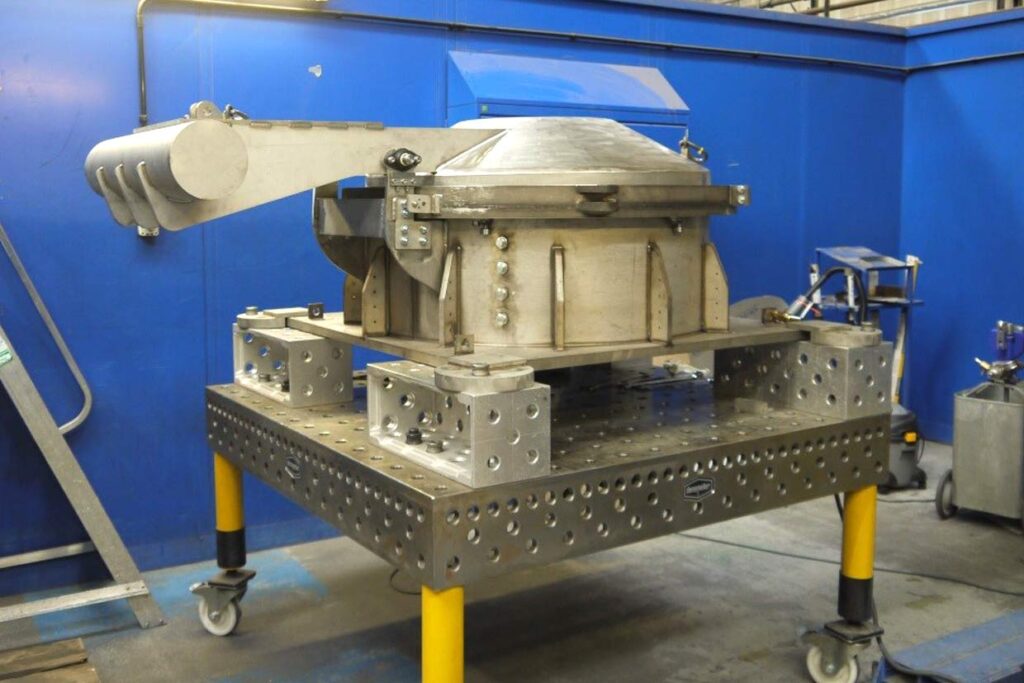
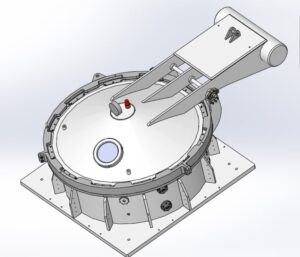
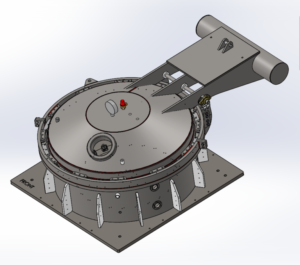
LTi Metaltech was commissioned by West Technology to manufacture a chamber pot pressure vessel capable of withstanding both positive and negative pressures. The vessel was designed for West Technology’s end customer, Megger, to be used in the impregnation of electrical windings within a high-voltage testing machine.
As a longstanding specialist in high-integrity pressure vessel fabrication and welding, LTi was tasked not only with delivering a vessel that complied with strict EN 13445 European Pressure Vessel Standards, but also with addressing a key requirement: improving Design for Manufacture (DFM) so the final structure could be produced more cost-effectively without compromising performance.
The Challenge
From the outset, several aspects of the original design presented significant manufacturability and cost challenges:
-
Material inefficiency – Several major parts were specified to be machined from large billets of stainless steel, a labour-intensive and expensive approach.
-
Counterweight design – The original counterweight was specified as a single stainless steel bar weighing 115kg, an unnecessarily costly option.
-
Geometric complexity – The cone-top structure of the lid featured a small-diameter hole that was difficult and expensive to manufacture using LTi’s existing tooling.
Meeting these challenges required LTi to rethink the vessel’s design to achieve simplification, cost reduction, and manufacturability improvements, while ensuring full compliance with regulatory and performance requirements.
How LTi went about it
Following a detailed review of the design and manufacturing processes, LTi applied its expertise in 3D modelling, fabrication, and welding innovation to deliver key DFM improvements:
-
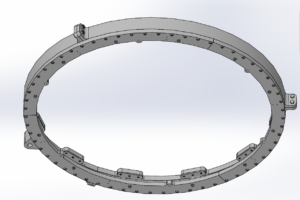
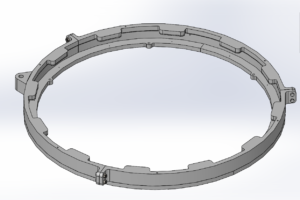
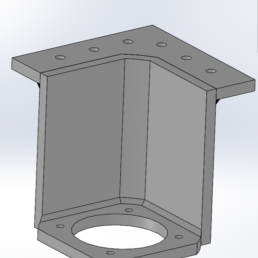
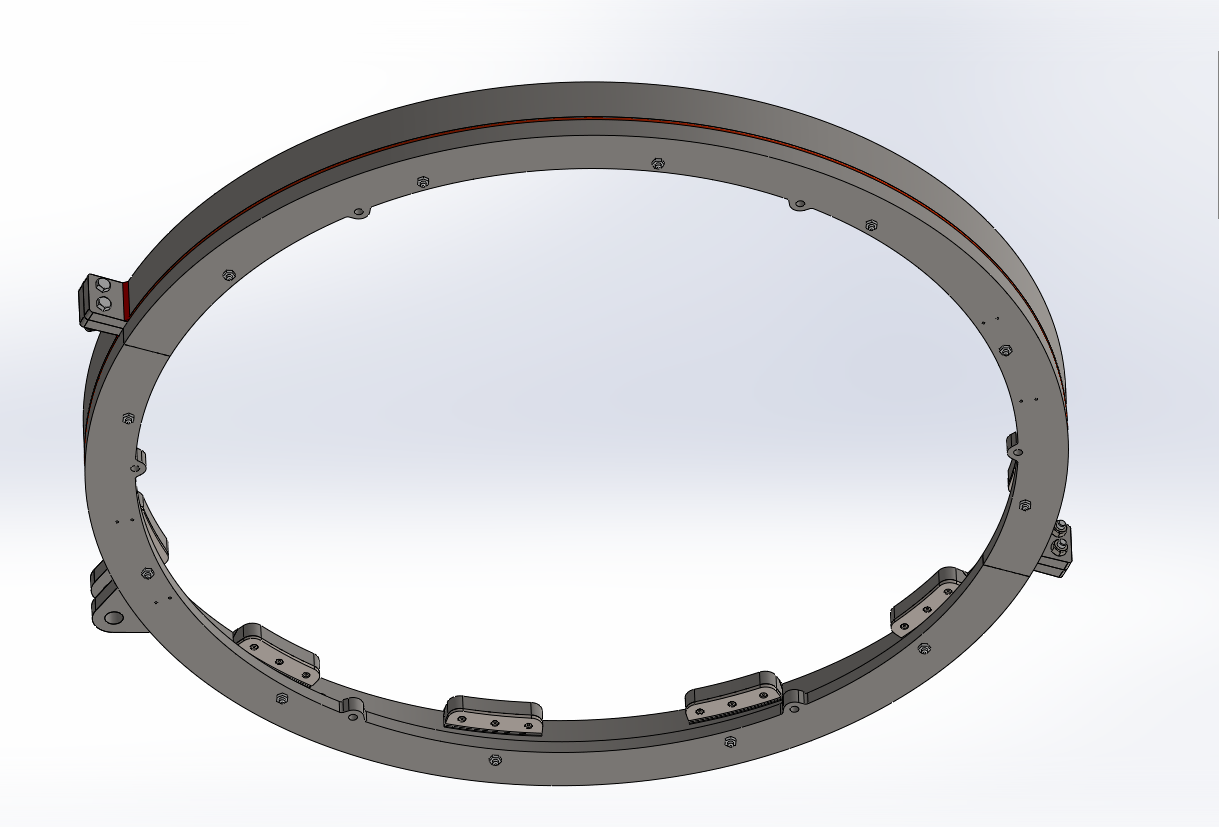
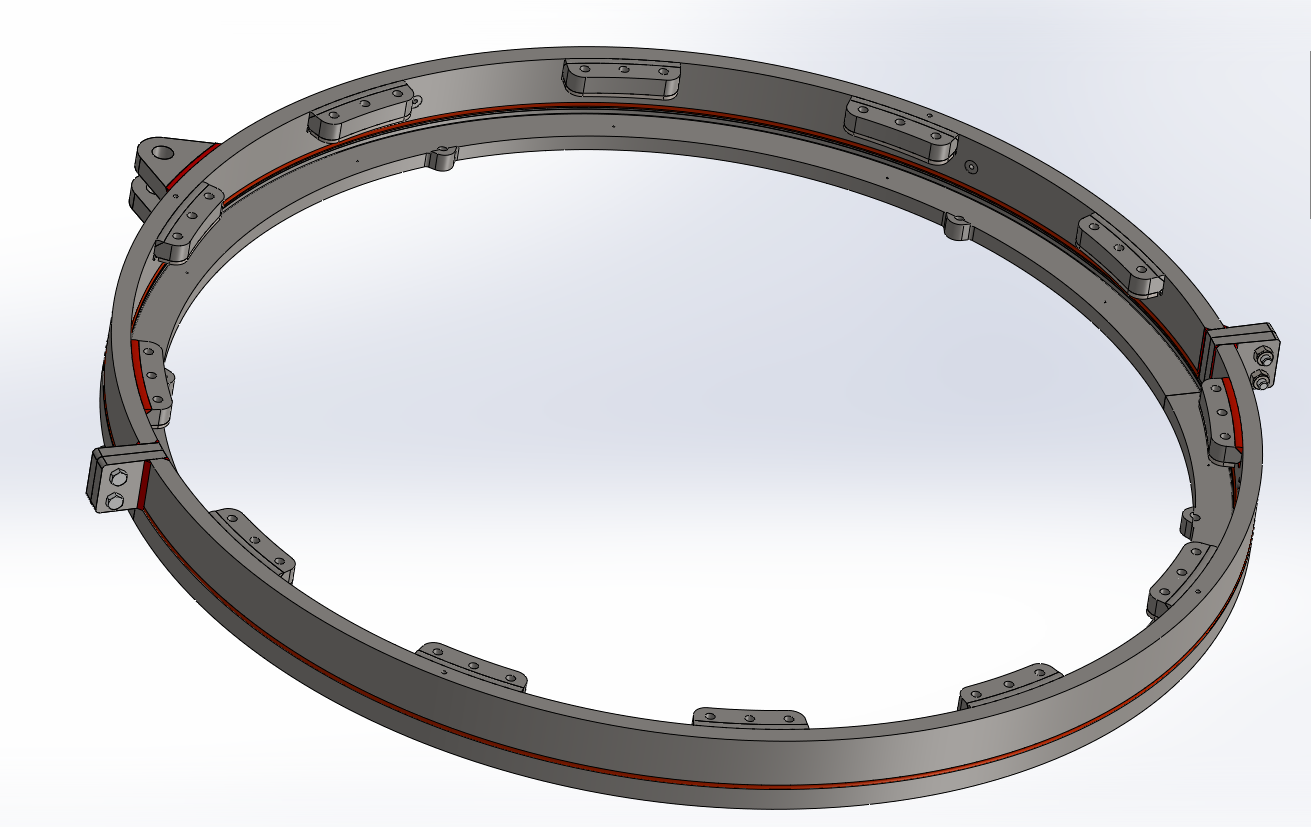
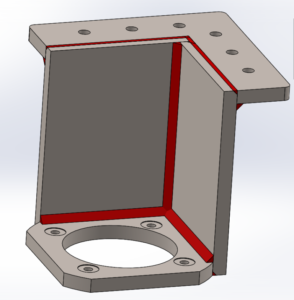
Re-engineered Components – Parts originally designed from large billets were redesigned as welded structures requiring minimal welding and finishing. This reduced machining time and overall production costs.
-
Optimised Counterweight – The counterweight was redesigned as a tubular structure incorporating circular blocks cut from scrap stainless steel offcuts. This lowered material costs, improved safety, and reduced weight handling risks.
-
Cone-Top Redesign – The cone-top diameter was doubled, enabling the component to be rolled more cost-effectively on standard rolling equipment. This single change saved approximately £1,000 on that part alone.
-
Streamlined Assembly – By reducing the number of machined parts and assembly hardware, LTi simplified the fabrication process, lowering the risk of human error and rework, and improving overall build efficiency.

What was the outcome?
Through these design and process innovations, LTi Metaltech successfully delivered a chamber pot pressure vessel that was fully compliant, easier to manufacture, and significantly more cost-effective to produce.
The project demonstrated LTi’s ability to apply Design for Manufacture (DFM) principles to complex pressure vessel projects, delivering tangible cost savings for its customer while maintaining the highest levels of performance and compliance.