
From Cryogenics to Clean Energy: How Precision Fabrication Powers the World’s Most Critical Systems
Most people never see the engineered systems that keep modern industries running. They don’t see the pressure vessels inside MRI scanners, the containment systems supporting energy infrastructure, or the precision-fabricated components operating behind the scenes in highly regulated environments.
But these systems play a vital role in everyday life.
From healthcare technology and utilities to renewable energy and nuclear fusion, industries around the world rely on high-integrity fabricated systems to operate safely and reliably. And behind many of those systems is something often overlooked – precision fabrication.
At LTi Metaltech, precision fabrication sits at the centre of everything we do. It’s what allows complex engineered systems to perform consistently in environments where quality, reliability, and compliance matter most.
What Precision Fabrication Really Means
Precision fabrication is about far more than cutting, forming, and welding metal together.
In regulated industries, fabrication needs to deliver repeatable accuracy, structural integrity, and long-term reliability. Small inconsistencies that might be acceptable elsewhere can create significant problems in safety-critical applications.
That’s why precision matters at every stage of the process.
From material preparation and forming through to welding, inspection, and testing, every detail has to be carefully controlled. Dimensions, tolerances, weld quality, and traceability all contribute to the overall performance of the finished system.
It’s a process built around consistency rather than guesswork.
Supporting Life-Saving Healthcare Technology
One of the clearest examples of precision fabrication in action can be found in healthcare.
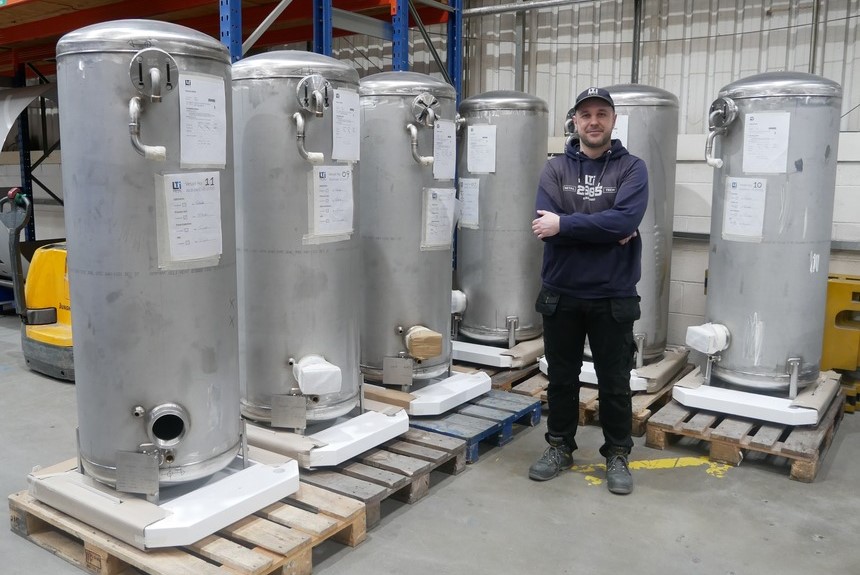
LTi Metaltech has manufactured thousands of cryogenic pressure vessel sets for MRI systems installed in hospitals around the world. These systems form part of critical medical equipment relied upon every day for diagnostics and patient care.
MRI technology depends on carefully controlled cryogenic environments to function correctly. That means the vessels involved must meet extremely high standards for integrity, performance, and reliability.
In healthcare applications, there is very little room for error. Equipment needs to operate consistently, often for many years, while maintaining strict performance requirements.
This is where precision fabrication becomes essential. Every stage of manufacture – from welding and forming to testing and inspection – contributes to the reliability of the final system.
While patients may never see these fabricated components, their performance plays a direct role in supporting life-saving medical technology worldwide.
The Challenges of Cryogenic Fabrication
Cryogenic systems bring their own unique engineering challenges.
Equipment operating at extremely low temperatures places significant demands on both materials and fabrication processes. Metals can behave differently under thermal stress, and even small inconsistencies in fabrication can affect long-term performance.
Containment integrity is particularly important. Systems must maintain pressure, prevent leakage, and operate reliably despite demanding thermal conditions.
Achieving this requires a combination of:
• Accurate material preparation
• High-integrity welding
• Precise forming processes
• Rigorous inspection and testing
• Consistent quality control
It’s a good example of why experience matters in regulated fabrication environments. Success depends not just on equipment, but on skilled people, proven procedures, and disciplined engineering processes.
Supporting the Future of Clean Energy
The same principles that apply to cryogenic healthcare systems are increasingly important in clean energy and advanced engineering sectors.
As industries invest in renewable technologies, utilities infrastructure, and nuclear fusion projects, the demand for high-integrity fabricated systems continues to grow.
These applications often involve:
• Pressure-rated containment systems
• Specialist materials
• Complex geometries
• Demanding operating environments
• Strict regulatory requirements
In many cases, fabricated components are expected to operate safely for years under high pressure, thermal cycling, or corrosive conditions.
That places enormous importance on manufacturing quality.
Precision fabrication helps ensure these systems can deliver the reliability and long-term performance critical industries depend on.
Why Welding Quality Matters
At the centre of many fabricated systems is welding.
In pressure vessels and containment systems, welds are not simply joining sections together – they form part of the overall structural integrity of the equipment. Their quality directly affects safety, reliability, and operational lifespan.
That’s why regulated industries place such importance on high-integrity welding procedures.
At LTi Metaltech, advanced robotic and semi-automated systems work alongside one of the UK’s largest teams of coded welders to deliver consistent, repeatable fabrication quality across both high-volume production and specialist engineered projects.
This combination of automation and skilled craftsmanship helps maintain the precision required in sectors such as healthcare, renewable energy, utilities, and nuclear fusion.
It also supports one of the most important goals in regulated manufacturing – consistency.
Inspection, Testing, and Verification
In critical systems, quality cannot simply be assumed. It has to be verified.
Inspection and testing form an essential part of the fabrication process, helping confirm that systems meet the required standards before entering service.
Depending on the application, this may include:
• Radiographic inspection
• Helium leak detection
• Hydrostatic pressure testing
• Dimensional verification
• Material traceability checks
These processes help identify potential issues early while providing confidence that the finished equipment will perform safely under real operating conditions.
For regulated industries, traceability is equally important. Maintaining documented records throughout manufacture helps demonstrate compliance and accountability at every stage of production.
Precision Supports Long-Term Reliability
The benefits of precision fabrication go far beyond the manufacturing stage itself.
Well-engineered systems tend to deliver:
• Longer operational life
• Reduced maintenance requirements
• Improved reliability
• Lower risk of failure
• Greater consistency in service
In industries where downtime can be costly – or where system failure could have serious consequences – these benefits matter enormously.
That’s why precision fabrication should never be viewed as an unnecessary extra. It’s a key part of ensuring systems operate safely and effectively over the long term.
Why Experience Still Matters
Advanced manufacturing technology has transformed modern fabrication, but experience remains just as important as ever.
Complex regulated projects still depend on skilled engineers, experienced welders, robust quality systems, and practical problem-solving.
At LTi Metaltech, more than 40 years of expertise, combined with advanced fabrication technologies and a strong quality culture, help support the demanding requirements of critical industries worldwide.
Because in sectors where reliability matters most, precision alone isn’t enough without the knowledge and processes behind it.
More Than Manufacturing
Precision fabrication may not always be visible, but its impact is everywhere.
It supports the MRI systems used in hospitals every day. It underpins clean energy infrastructure. It helps critical utilities operate safely and reliably. And it supports the next generation of advanced engineering technologies shaping the future.
From cryogenic healthcare systems to nuclear fusion and renewable energy infrastructure, high-integrity fabrication plays a central role in powering the world’s most critical systems.
At LTi Metaltech, that responsibility drives everything we do – because making stuff that matters means building systems people and industries can depend on.