
The Growing Role of UK Fabrication in Nuclear Projects
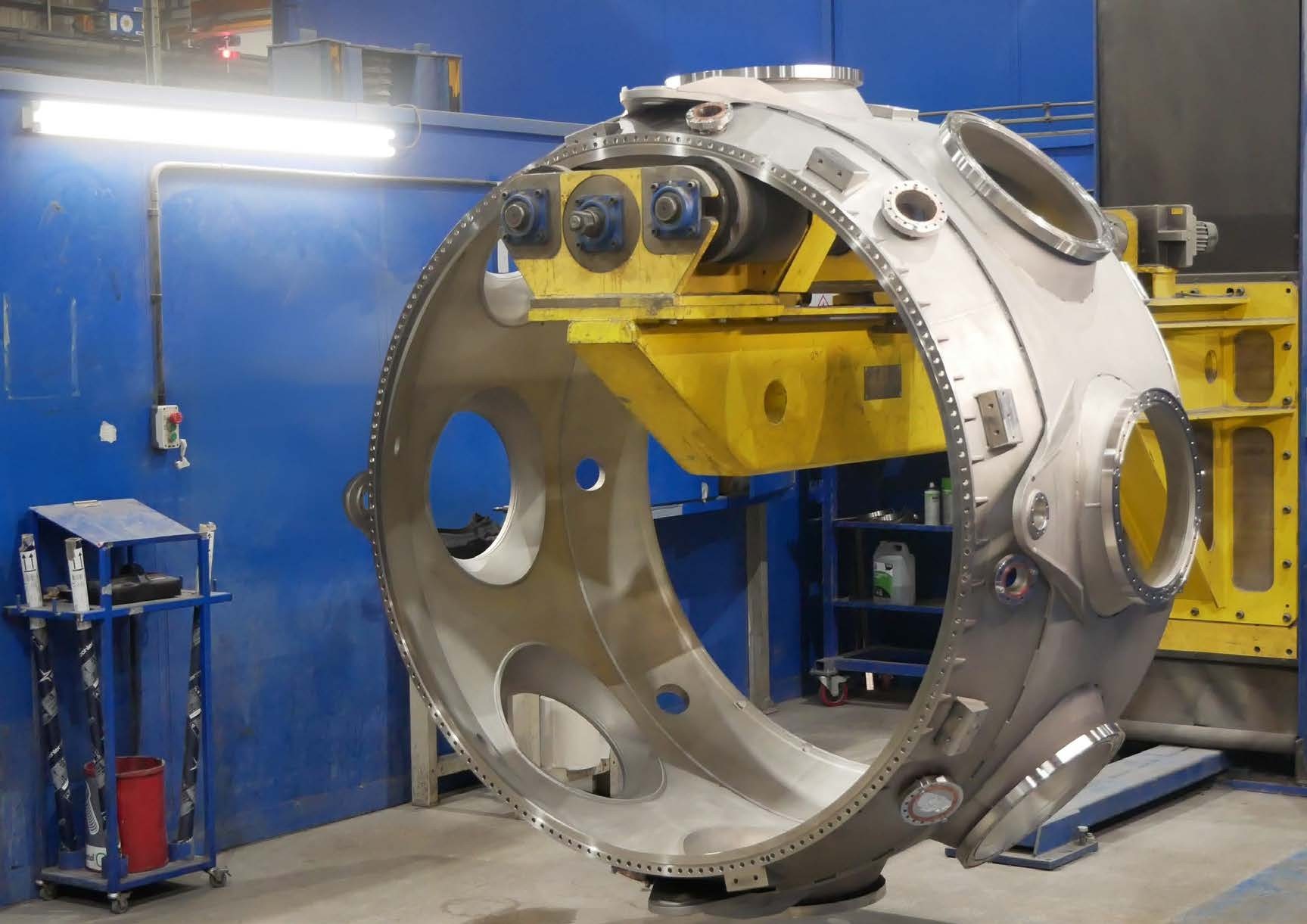
The UK nuclear sector is entering a period of significant investment and development. From new-build projects and life-extension programmes to decommissioning activities and emerging fusion technologies, demand for specialist engineering and manufacturing capability continues to grow.
While major infrastructure projects often attract the headlines, behind every successful nuclear programme is a network of highly skilled manufacturers responsible for producing the critical components that keep projects moving. High-integrity fabrication plays a central role in this process, delivering the precision-engineered structures, pressure vessels, containment systems, and specialist assemblies required throughout the nuclear supply chain.
As the sector evolves, the importance of experienced UK fabrication companies has never been greater.
Why Nuclear Projects Depend on High-Integrity Fabrication
Nuclear environments present some of the most demanding engineering challenges in modern industry. Components must perform reliably under strict operating conditions while meeting rigorous safety, quality, and regulatory requirements.
Unlike many industrial sectors, nuclear projects require complete confidence in every stage of manufacture. Materials, welding procedures, inspections, testing, and documentation must all be carefully controlled and fully traceable.
High-integrity fabrication provides the foundation for this level of assurance. Whether manufacturing pressure-retaining equipment, containment systems, structural fabrications, or specialist process components, the quality of fabrication directly influences long-term safety, performance, and reliability.
For project owners and contractors, selecting the right manufacturing partner is therefore about far more than production capacity. It is about finding suppliers with the technical expertise, quality systems, and engineering culture needed to support highly regulated environments.
Growth Across the UK Nuclear Sector
The UK’s nuclear industry is expanding across multiple areas.
Large-scale infrastructure developments continue to drive demand for specialist manufacturing, while existing facilities require ongoing maintenance, upgrades, and replacement equipment. At the same time, long-term decommissioning programmes are creating opportunities for manufacturers capable of delivering complex engineered solutions for challenging environments.
Alongside traditional nuclear power generation, significant investment is also being made in nuclear fusion research and development. These projects require advanced fabrication techniques, specialist welding expertise, and precision-engineered components capable of operating within highly demanding conditions.
This combination of new-build, operational support, decommissioning, and future technologies is creating sustained demand for high-quality UK manufacturing capability.
The Importance of UK-Based Manufacturing Capability
As major projects become increasingly complex, the value of a strong domestic supply chain becomes more apparent.
UK-based fabrication companies provide several advantages, including reduced lead times, improved communication, greater quality oversight, and increased supply chain resilience. Close collaboration between manufacturers, engineering teams, and project stakeholders can help identify issues earlier, improve project coordination, and support more efficient delivery.
Domestic manufacturing capability also plays an important role in developing engineering skills and maintaining specialist expertise within the UK. As demand for nuclear projects increases, retaining and growing this capability will be critical to supporting future industry requirements.
For many organisations, working with UK manufacturers provides confidence that critical components are being produced under recognised standards by experienced teams operating within well-established quality systems.
Welding Expertise at the Heart of Nuclear Fabrication
Welding is one of the most critical aspects of nuclear fabrication.
The integrity of a welded assembly can have a direct impact on safety, performance, and operational lifespan. As a result, nuclear projects demand highly skilled coded welders, qualified procedures, rigorous inspection processes, and continuous quality control.
Modern fabrication facilities increasingly combine traditional craftsmanship with advanced manufacturing technologies to achieve consistent results at scale. Automated and semi-automated welding systems can improve repeatability, while experienced welding personnel provide the technical expertise needed for complex or specialist applications.
The combination of skilled people, proven procedures, and robust quality assurance creates the foundation for successful fabrication in highly regulated industries.
Manufacturing for Complex and Regulated Environments
Nuclear projects often require bespoke solutions rather than standard off-the-shelf products.
Pressure vessels, containment systems, support structures, process equipment, and specialist fabrications are frequently designed to meet unique operational requirements. Manufacturing these components demands careful planning, precision fabrication, and strict adherence to project specifications.
Material traceability, welding qualifications, dimensional verification, and documented inspection procedures all form part of the manufacturing process. Every stage must be managed with attention to detail to ensure compliance with customer requirements and industry standards.
This level of control is what separates high-integrity fabrication from conventional manufacturing. It is also why experienced fabrication companies remain essential partners throughout the nuclear supply chain.
Supporting the Future of Nuclear Projects
The future of the nuclear sector will rely heavily on continued investment in manufacturing capability.
As projects become more technically demanding, fabrication companies must continue investing in advanced equipment, automation, workforce development, and quality systems. The ability to combine modern manufacturing technologies with specialist engineering expertise will be increasingly important as the industry evolves.
Developing the next generation of welders, fabricators, engineers, and quality professionals will also play a vital role in ensuring the UK retains the skills needed to support future nuclear programmes.
Manufacturers that embrace innovation while maintaining the highest standards of quality and compliance will be well positioned to support the next phase of growth within the sector.
How LTi Metaltech Supports Nuclear Manufacturing
At LTi Metaltech, we understand the demands of manufacturing for highly regulated industries.
With over two decades of experience and one of the UK’s largest teams of coded welders, we deliver high-integrity fabrication solutions for sectors where quality, compliance, and reliability are critical. Our Oxfordshire facility combines advanced robotic welding and semi-automated manufacturing processes with extensive engineering expertise, allowing us to support both high-volume production and technically complex fabrication projects.
Operating within internationally recognised quality systems and supported by rigorous inspection and testing procedures, we help customers achieve the consistency, traceability, and performance required for demanding applications.
As the UK’s nuclear sector continues to grow, the role of experienced fabrication partners will remain essential in delivering the engineering capability needed to support future projects.
Building the Future Through UK Manufacturing
The success of future nuclear projects will depend on far more than innovative technologies and ambitious infrastructure plans. It will also rely on the manufacturers, fabricators, and engineering specialists responsible for producing the components that make these projects possible.
High-integrity fabrication provides the quality, precision, and reliability that the nuclear industry demands. As investment across the sector continues to increase, experienced UK manufacturers will play an increasingly important role in supporting safe, efficient, and successful project delivery.
For organisations operating within the nuclear supply chain, strong manufacturing partnerships will remain a key part of building the future.