
Cryogenic Pressure Vessels: How They Support Modern MRI Technology
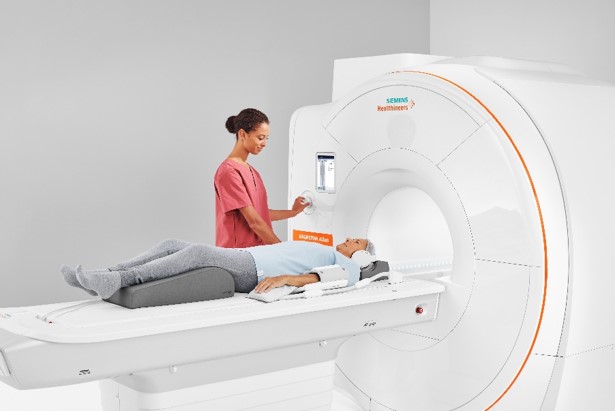
When most people think about MRI scanners, they think about hospitals, medical diagnoses, and patient care. Very few stop to consider the engineering that makes these sophisticated machines possible.
Behind every MRI scanner is a range of highly engineered components working together to create the conditions needed for accurate imaging. Among the most important are cryogenic pressure vessels, which play a vital role in supporting the reliable operation of MRI systems used around the world.
While they remain hidden from view, these precision-engineered vessels help ensure healthcare professionals have access to dependable diagnostic equipment every day.
What Is a Cryogenic Pressure Vessel?
A cryogenic pressure vessel is designed to safely contain substances at extremely low temperatures while maintaining controlled operating conditions.
Unlike standard pressure vessels, cryogenic vessels must perform reliably in environments where even small variations can affect overall system performance. They are engineered to provide secure containment, maintain stability, and withstand demanding operating conditions over many years of service.
Although the technology behind them is highly specialised, their purpose is straightforward – to help create the conditions required for equipment that depends on extremely low temperatures to operate effectively.
Why MRI Systems Depend on Cryogenic Technology
MRI scanners rely on extremely powerful magnets to produce the detailed images that doctors use to diagnose and monitor a wide range of medical conditions.
For these systems to operate correctly, those magnets need to be maintained under carefully controlled conditions. Cryogenic pressure vessels are a key part of achieving this, providing safe and reliable containment that helps support consistent system performance.
When these vessels perform as intended, MRI equipment can operate efficiently and reliably. That means hospitals and healthcare providers can continue delivering essential diagnostic services with minimal disruption.
While patients may never see the engineering behind an MRI scanner, they benefit from it every time they receive a high-quality scan.
Precision Manufacturing Makes the Difference
Manufacturing cryogenic pressure vessels requires far more than simply fabricating metal components.
Every vessel must be produced with exceptional accuracy so that it performs exactly as intended throughout its operational life. Tight tolerances, precision welding, and consistent fabrication processes all contribute to the finished product.
In healthcare applications, there is little room for variation. Every component needs to fit correctly, every weld needs to meet demanding quality standards, and every stage of manufacture must be carefully controlled.
That level of precision doesn’t happen by chance. It comes from experienced engineers, proven manufacturing processes, and a commitment to delivering consistent quality.
More Than Just Welding
Although welding plays a central role in pressure vessel manufacture, it represents just one part of a much larger process.
Successful projects begin with careful material preparation before moving through forming, fabrication, precision welding, inspection, testing, and final verification. Each stage contributes to the overall integrity and long-term performance of the vessel.
Rather than relying on final inspections to identify issues, quality is built into the manufacturing process from the very beginning.
This structured approach helps ensure every vessel meets the required specifications before it leaves the factory.
Built for Reliability
Medical equipment is expected to perform consistently, often for many years.
That means the components supporting these systems must offer the same level of reliability. Pressure vessels used within MRI technology are designed with long-term performance in mind, helping reduce unexpected downtime and supporting dependable operation throughout their service life.
Reliable engineering also benefits healthcare providers. Equipment that performs consistently allows hospitals to focus on patient care rather than unplanned maintenance or operational interruptions.
It’s another example of how high-integrity fabrication supports outcomes far beyond the manufacturing environment.
Experience That Supports Critical Healthcare Technology
Producing pressure vessels for healthcare applications requires specialist knowledge, disciplined manufacturing processes, and a strong focus on quality.
At LTi Metaltech, this has been developed through decades of experience manufacturing high-integrity pressure vessels for some of the world’s most demanding industries.
The company has manufactured more than 15,000 cryogenic pressure vessel sets for Siemens MRI systems installed in hospitals around the world. Combined with over 40 years of expertise in pressure vessel manufacturing, advanced robotic and semi-automated welding systems, and one of the UK’s largest teams of coded welders, this experience has established LTi Metaltech as a trusted manufacturing partner for regulated industries where precision and reliability are essential.
While every project presents its own challenges, the principles remain the same – consistent quality, controlled manufacturing, and engineering that performs exactly as expected.
Engineering That Makes a Difference
Cryogenic pressure vessels may never be seen by patients or healthcare professionals, but their contribution to modern medicine is significant.
They support the reliable operation of MRI systems that help diagnose illness, guide treatment decisions, and improve patient outcomes every day.
For manufacturers, producing these vessels demands precision, experience, and a commitment to quality throughout every stage of fabrication.
At LTi Metaltech, that’s exactly what Making Stuff That Matters represents. By delivering high-integrity pressure vessels for healthcare and other regulated industries, the company helps support technologies that improve lives, protect people, and keep essential services running where reliability matters most.